Multi-purpose Distribution Box
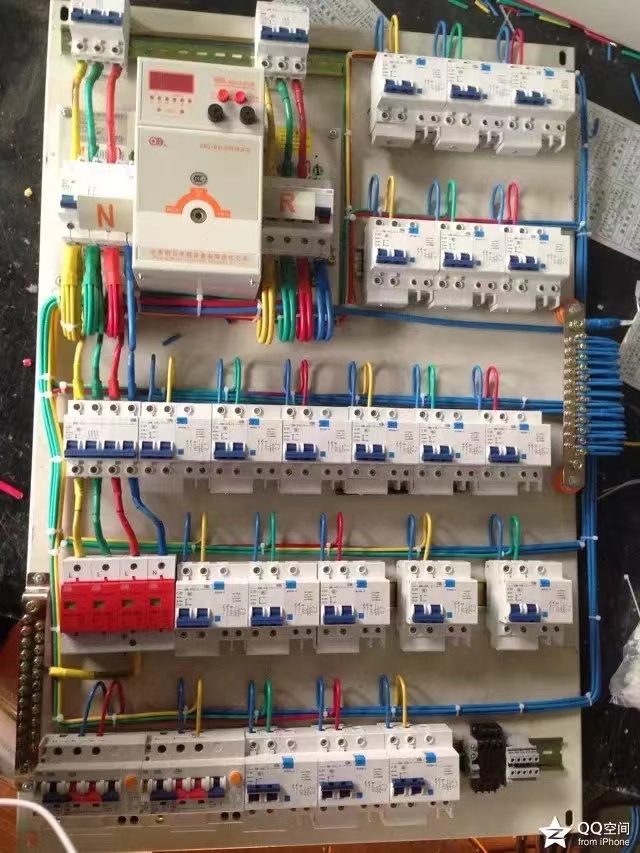
Power Distribution Cabinet: Technical Overview
A Power Distribution Cabinet (PDC), often functioning as a Motor Control Center (MCC), is primarily used for electrical power distribution and control.
As a critical component of the electrical system, distribution cabinets are typically installed in discreet locations within facilities to ensure both safety and aesthetic integrity. Below are the technical details regarding power distribution cabinets:
Primary Function: The main purpose of a distribution cabinet is power allocation, distributing voltage from transformers to various consuming units. It ensures a stable and secure power supply while controlling and protecting circuits through the installation of electrical components such as circuit breakers and contactors.
Common Types: Distribution cabinets are categorized into Power Distribution Cabinets (for industrial equipment like motors), Lighting Distribution Boards, and Metering Cabinets (for energy measurement).
System Configuration: A standard setup typically consists of an Incoming Cabinet (receiving power from the upstream source), Outgoing Cabinets (distributing power to downstream loads), Capacitor Banks (for power factor correction), and Metering Cabinets.
Application Scenarios: Standard distribution cabinets are ideal for applications with dispersed loads and fewer circuits, whereas Motor Control Centers (MCC) are utilized for concentrated loads and high-density circuitry. This modular design allows the system to meet diverse electrical requirements across different environments.
Summary: Overall, the power distribution cabinet is indispensable equipment in any electrical system. It not only guarantees safe power allocation but also provides essential control and protection functions, ensuring the highly efficient operation of the entire power network.